The Hostage Scenario Is Off the Table
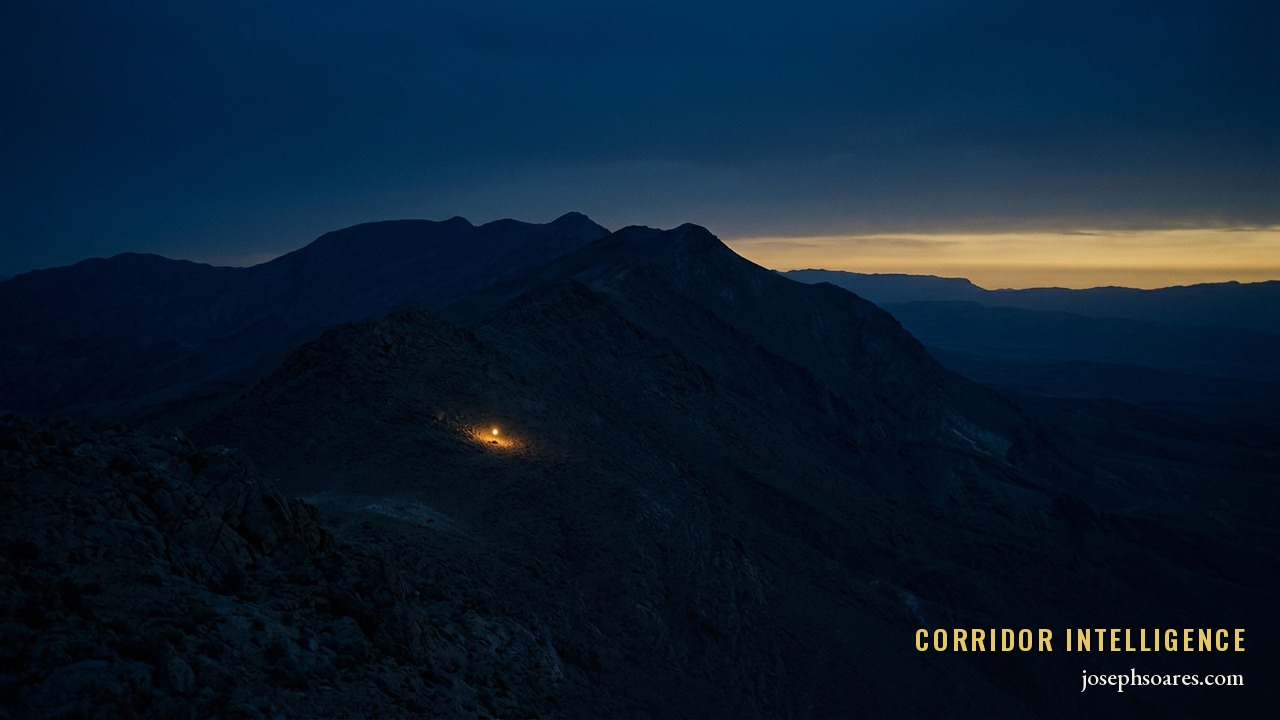
‘We got him.’ Two words, and the entire decision architecture in Washington shifts. The second downed airman is out of Iran. The first had been recovered quickly. This one was harder — injured, evading capture for more than a day, climbing a 2,100-metre ridge in hostile terrain before sheltering in a mountain crevasse and activating his distress beacon. He is now safe. That is the fact. But the fact is not the story. The story is what his recovery removes from the board.
Understand the mechanism, stripped of acronyms. A captured airman is not a casualty. He is leverage. A single prisoner paraded on state television converts a military engagement into a hostage crisis, and a hostage crisis does something specific to a government: it freezes it. Every subsequent move — every strike option, every negotiating posture, every red line — must first be routed through the question of whether it endangers the captive. The initiative passes to whoever holds the body. Anyone who lived through 1979 to 1981, or the long shadow it cast over American statecraft, knows the pattern. The captor sets the tempo. The superpower reacts.
That scenario is now foreclosed. With both crew members recovered, there is no leverage to hold, no bargaining chip to televise, no countdown clock forcing Washington into a reactive crouch. The administration keeps the initiative. That is the single most consequential outcome of the last twenty-four hours, and it will not lead most coverage — because what did not happen rarely does.
A Rescue That Doubles as a Message
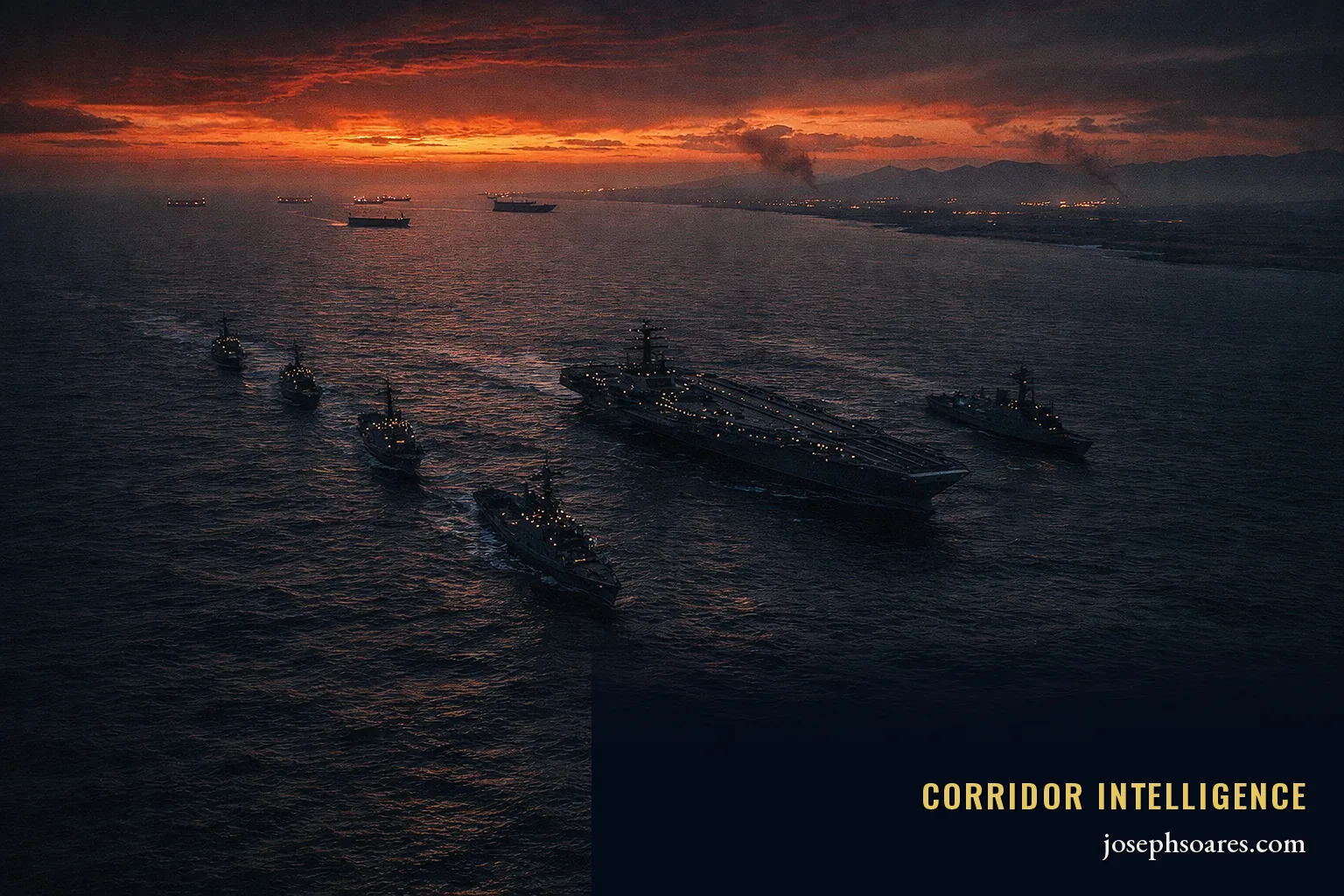
Look at what the extraction actually required. Hundreds of special-operations forces. Dozens of aircraft. And, according to senior administration officials, a CIA deception operation running inside Iran — drawing Iranian search teams toward a phantom while the real recovery unfolded elsewhere. That is not the signature of an evacuation. That is the signature of a demonstration.
The distinction matters for anyone reading strategic risk. An evacuation says: we retrieved our man. A demonstration says: we can reach into your territory, run a deception you cannot detect in real time, extract a target from your mountains, and leave before you understand what happened. The first is logistics. The second is deterrence. And deterrence, once demonstrated rather than merely asserted, changes the pricing of every future confrontation. Iran now has fresh, concrete evidence of what a deep-reach American operation looks like when it succeeds on Iranian soil. That evidence does not expire. It sits in the calculus of every planner in Tehran the next time they weigh a provocation.
This is the part sophisticated observers should sit with. A successful rescue is a tactical event. A successful rescue that reveals a standing capability is a strategic asset — and its value accrues precisely because it was proven under pressure, against an alert adversary, with a downed airman as the stake. You cannot buy that credibility. You can only demonstrate it, and it was just demonstrated.
The Escalation Ladder Just Got Reset
Here is how the calculus changes. Before the recovery, Iran held a latent option: escalate, and if an American ended up in custody, convert that into paralysis. That option had deterrent value for Tehran even unexercised, because the mere possibility disciplined American behaviour. It is gone. Iran cannot manufacture the hostage scenario after the fact, and it has just watched the United States prove it can defeat the scenario in progress. The rung of the escalation ladder that Tehran most wanted to hold has been kicked out.
Simultaneously, Washington absorbs no domestic penalty. A captured or killed airman would have dominated the narrative for weeks, forcing the administration onto defence, inviting the question every crisis government dreads: who lost him? Instead the story is competence. Both crew members home. A hard problem solved cleanly. That keeps the domestic flank quiet, which in turn preserves the administration’s freedom to act — or to decline to act — on its own timeline rather than a timeline dictated by grief or outrage. Narrative control and strategic control are the same currency here, and both stayed in American hands.
For the reader deciding where to place attention and risk, the takeaway is directional, not merely reassuring. The immediate crisis vector — a hostage standoff that would have consumed months and frozen policy — has closed. The initiative sits with Washington. The deterrent signal has been sent in the most persuasive medium available, which is not a statement but a demonstrated capability. Do not read this as de-escalation. Read it as the United States having preserved its full range of options while stripping one from its adversary. That asymmetry — more moves for one side, fewer for the other — is what actually moves the board. Position accordingly.