Pakistan brokered a two-week ceasefire between the United States and Iran. Markets celebrated. Oil crashed from $144 per barrel to $93 in a single session. Traders bought risk assets. The consensus was instantaneous: the conflict was over.
Within 24 hours, reality reasserted itself. Oil bounced back above $99. The Strait of Hormuz remained functionally closed. The ceasefire wasn't resolving anything. It was just a pause.
This is what happens when markets confuse a tactical pause with a strategic resolution. The ceasefire didn't address any of the underlying causes of the conflict. It didn't resolve the nuclear question. It didn't address Lebanon. It didn't resolve Strait sovereignty. It froze the fighting without resolving any of its causes.
What the Ceasefire Actually Resolved
Nothing.
The two sides agreed to stop shooting for two weeks. That's it. Islamabad has 48 hours to reconcile positions that are structurally incompatible. The US demands restrictions on Iranian nuclear enrichment. Iran demands no restrictions whatsoever. One side must capitulate or the ceasefire ends.
Israel intensified strikes in Lebanon during the ceasefire, proving that even the pause was conditional and fragile. Iran's parliament immediately accused the US of breaching the agreement through the Israeli strikes and alleged drone incursions. The regime is looking for a pretext to resume fighting.
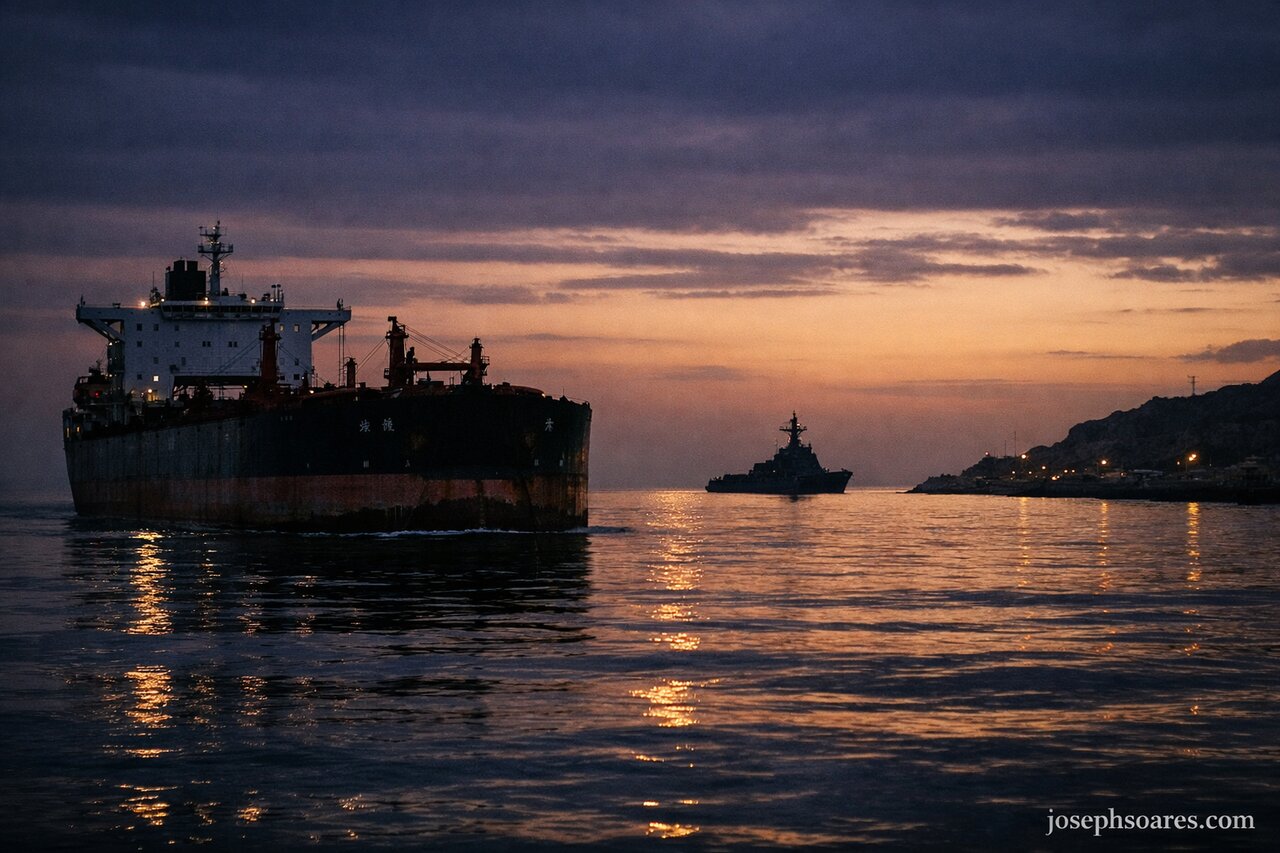
The Strait of Hormuz hasn't reopened. Oil tankers are still rerouting. Insurance costs haven't normalized. The structural constraints on supply are unchanged.
And yet markets believed the ceasefire meant peace was coming.
Why the Regime Needs Conflict
A theocratic state that requires external conflict to justify domestic oppression will never accept a lasting peace negotiated from weakness. The regime walked into Islamabad knowing it couldn't win on the merits. But accepting a pause allows it to frame the conflict as ongoing, which validates the security apparatus, the surveillance state, and the repression of dissent.
For a regime like Iran's, a ceasefire is a tactic, not a strategy. It buys time. It allows the regime to regroup. It keeps the population focused on external threat rather than internal failure. The moment the ceasefire ends—and it will end—the conflict resumes with renewed intensity.
Markets priced this as if the regime had capitulated. It hadn't. It had merely paused.
What the Oil Market Tells Us
Brent crude at $144 was reflecting genuine supply disruption and genuine uncertainty about duration. It was reflecting a Strait that was closed and might stay closed for months. It was pricing in the possibility of full-scale regional conflict.
Brent at $93 is pricing in a resolution that doesn't exist. The ceasefire doesn't resolve the supply question. If anything, it buys time for the regime to prepare for the next round.
The bounce back above $99 is the market correcting its own naïveté. But there will be more overcorrection in both directions as the deadline approaches.
If you're carrying inventory, hedging supply chains, or positioning in energy derivatives, the oscillation matters. Positions taken at $93 will be painful at $130. Positions taken at $144 will be questioned at $95. The ceasefire has created volatility that favors traders with real-time information and against long-term strategic positioning.
What Comes in 48 Hours
Three scenarios:
One: Pakistan brokers an extension through diplomacy and gesture politics. Both sides agree to another two weeks. Oil drops again. Markets celebrate again. The core issues remain unresolved.
Two: Iran returns to maximalist positions. The US holds firm. The ceasefire collapses. Oil spikes back to $130+. The conflict resumes with even more intensity because neither side has moved.
Three: One side capitulates on the nuclear question. Either the US accepts unrestricted enrichment, or Iran accepts inspections and enrichment caps. This is unlikely because both demands contradict the other side's red lines.
The oil market is repricing as if Scenario One is locked in. It's not.
The Lesson
Markets are bad at distinguishing between pauses and resolutions. A ceasefire that resolves none of the underlying causes of conflict is just a reloading mechanism. The longer it holds, the more both sides prepare for the next round.
Position for the correction, not the celebration. When oil is at $93 and the Strait is still closed, you're not looking at peace. You're looking at a tactical pause in an unresolved conflict. The next move will be more aggressive than the last one because both sides will have used the pause to strengthen their positions.
The Iranian people deserve better than this regime. But until that changes, expect ceasefires to be pauses, not peace. And price accordingly.